Premium research peptides, batch-tested and documented. Each product is matched to a Certificate of Analysis. For qualified research use only.
All products listed are supplied for qualified research use only and are not intended for human or animal consumption. No usage, dosage or administration guidance is provided.
Five listings: four reference materials and one accessory. The peptides and the NAD+ are supplied as lyophilised solids in sealed vials, each one tied by batch reference to the analytical record for the material it contains. Nothing here is supplied for human or animal use, and no usage, dosage or administration guidance is given at any point. The terms of supply set out what qualified research use means and who may order.
| Listing | Material class | Supplied as | Storage class | Documentation note |
|---|---|---|---|---|
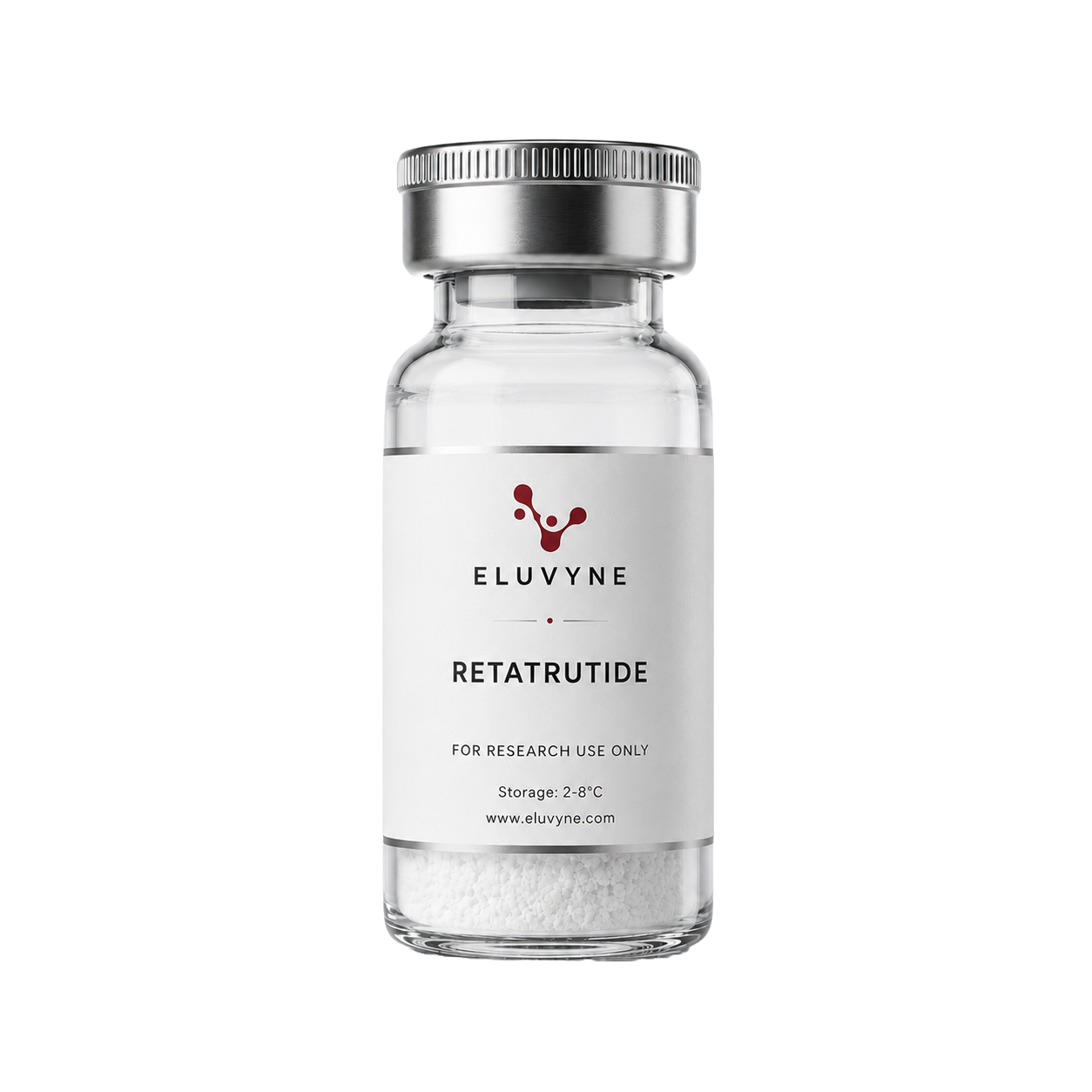
| Retatrutide | Synthetic peptide | 10 mg / vial | Cold | Read the note |
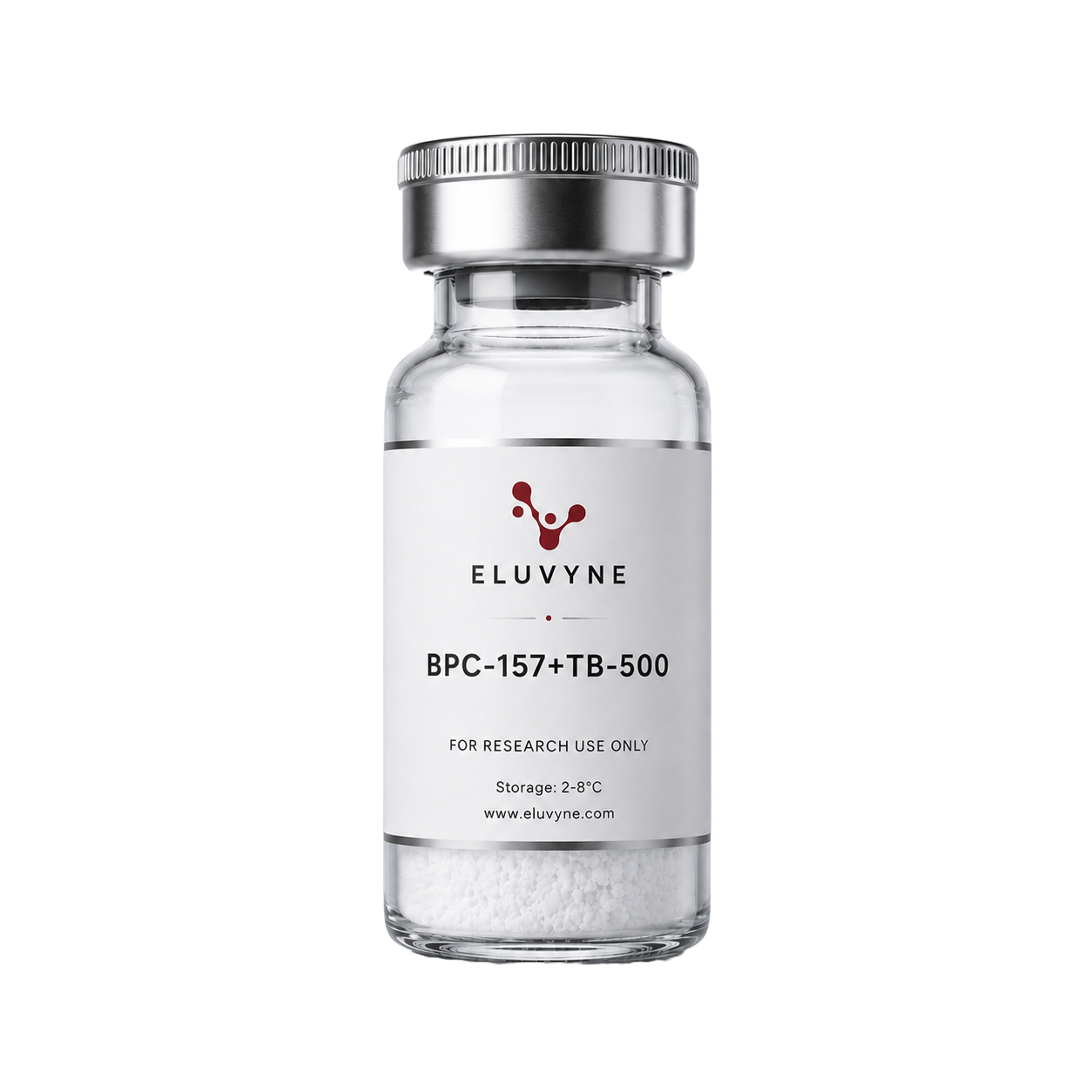
| BPC-157 + TB-500 | Two-component peptide preparation | 10 mg / vial | Cold | Read the note |
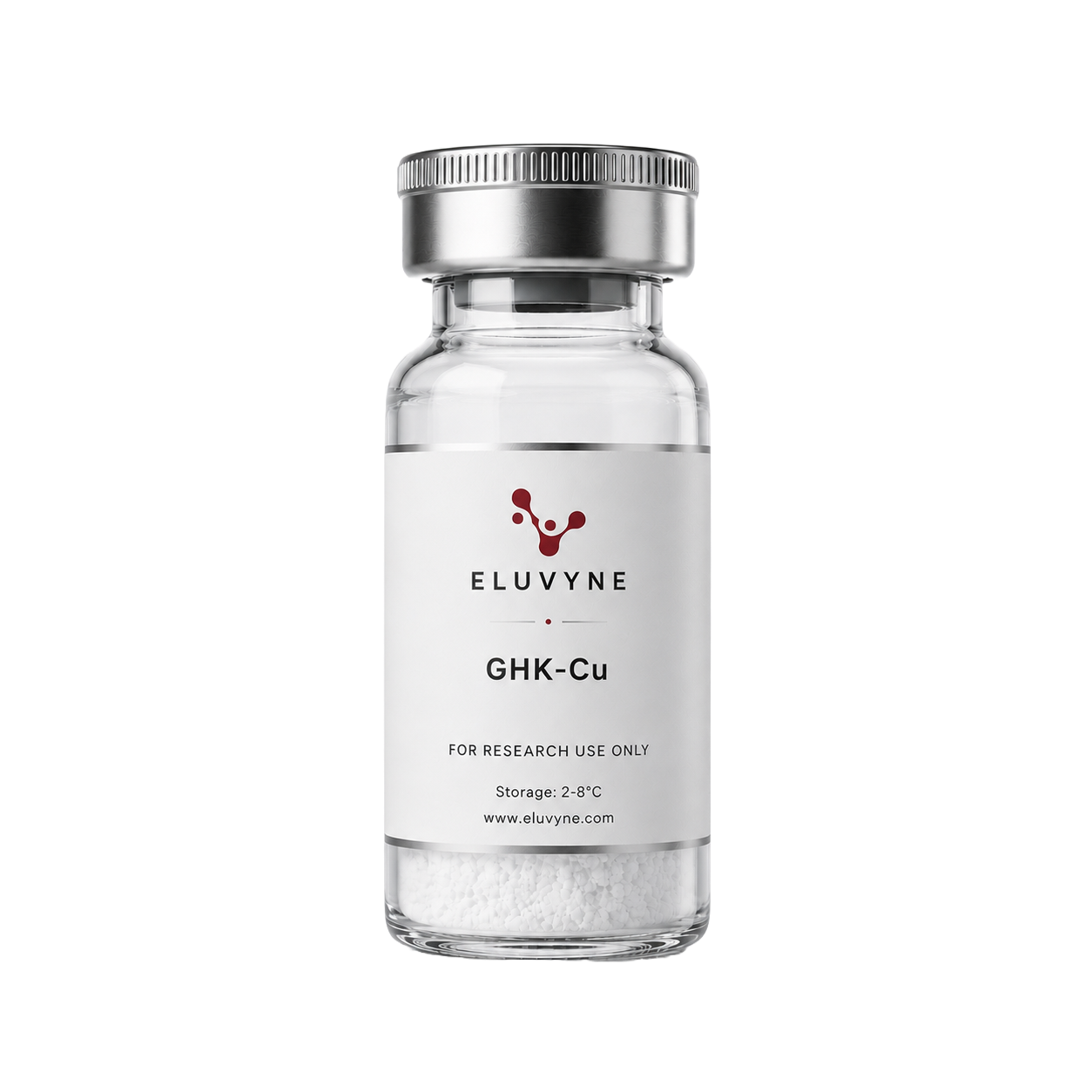
| GHK-Cu | Copper(II) complex of a tripeptide | 50 mg / vial | Cold | Read the note |
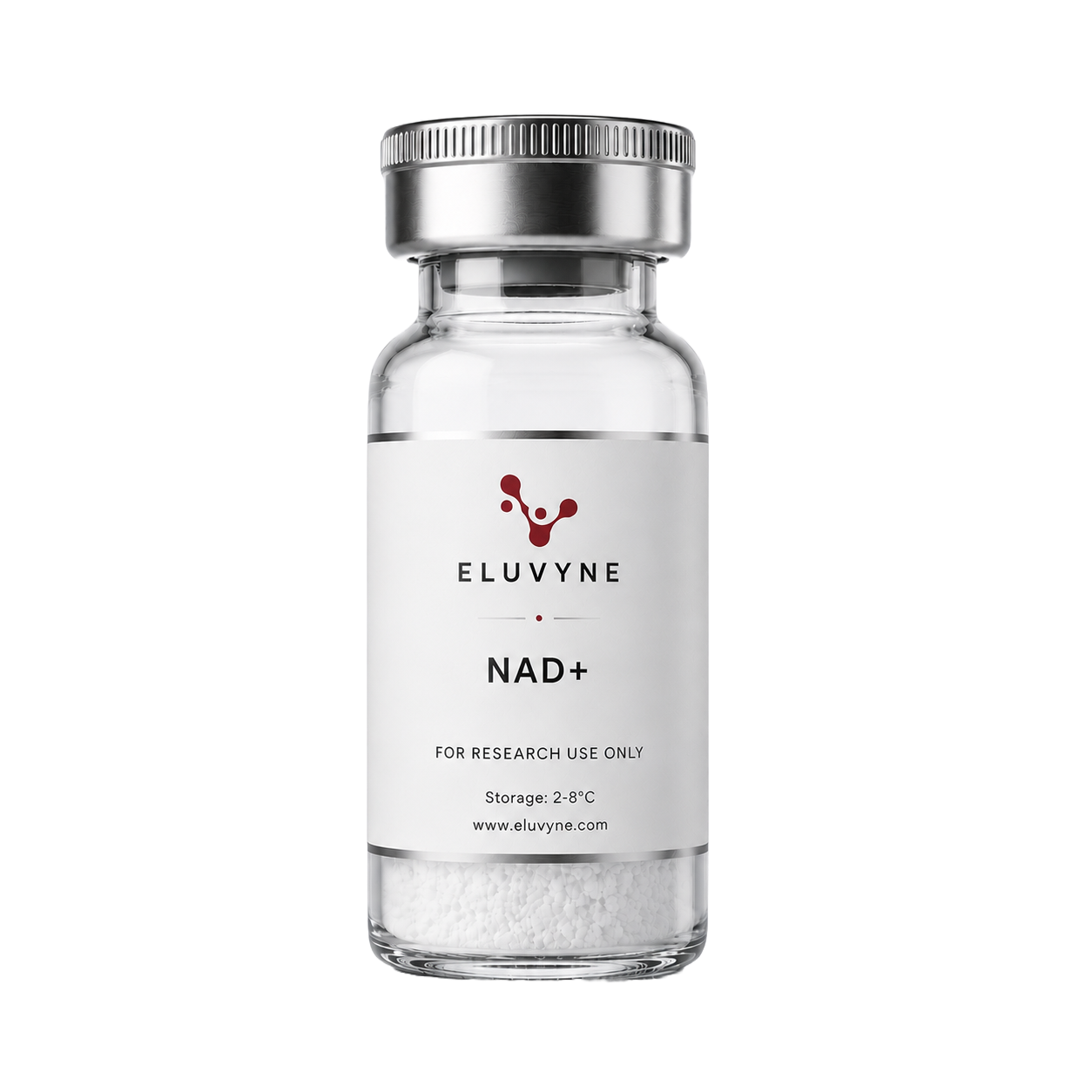
| NAD+ | Dinucleotide (not a peptide) | 500 mg / vial | Cold | Read the note |
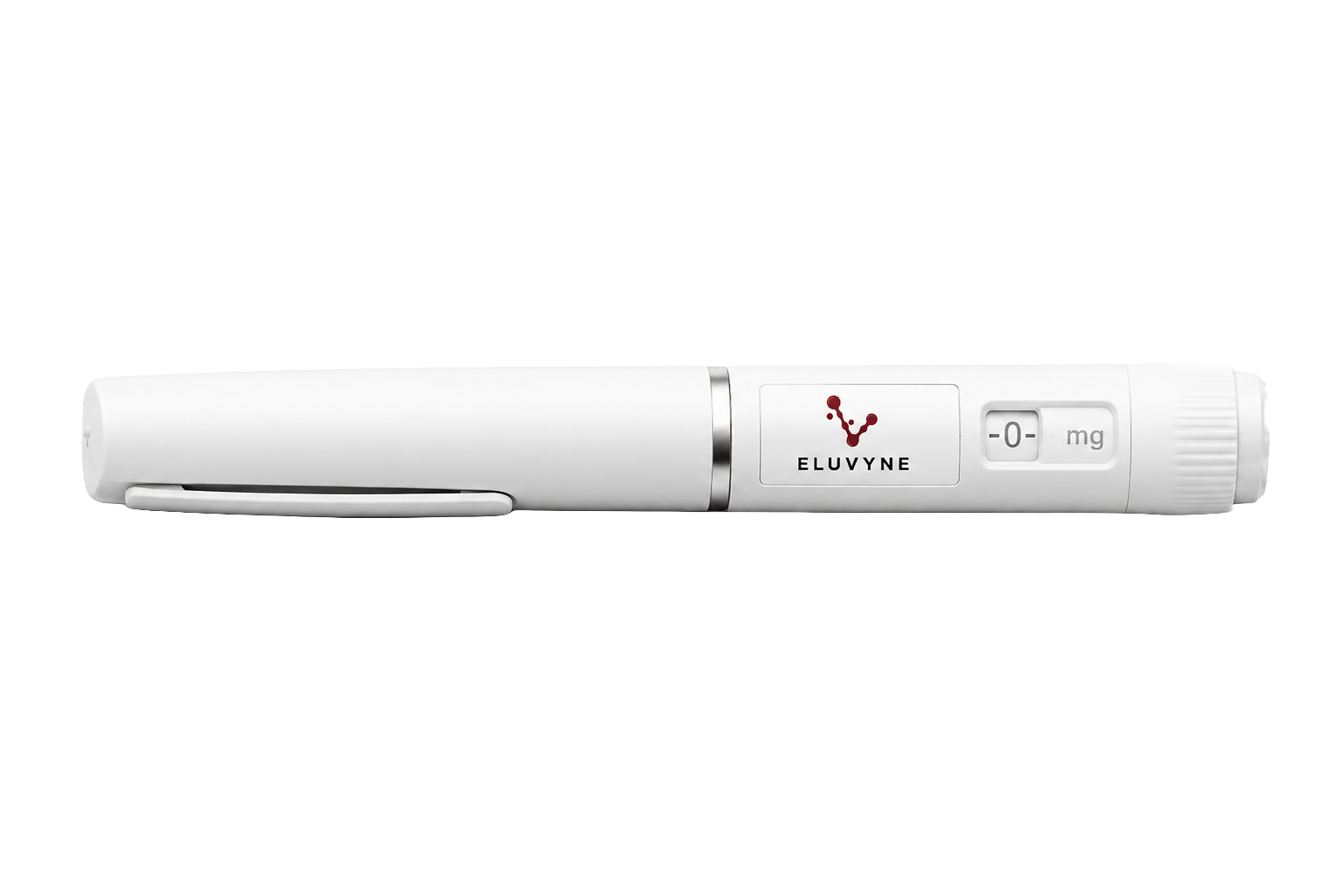
| Retatrutide Pen | Laboratory accessory | Delivery pen | Ambient | No certificate, accessory |
Storage class is the handling category for the listing. The conditions that apply to a given batch are stated on that batch's certificate.
A purity figure describes one batch, tested once, by one named method. It is not a property of a product line, which is why no figure appears across this catalogue as a whole. A listing shows a number only where the certificate behind it is in hand: Retatrutide currently publishes 99.801% by HPLC, independently verified by Janoshik Analytical, and the other three report on their own batch certificates. Everything else reads Purity on COA, which is a statement about documentation rather than a hedge. What HPLC and MS actually measure covers why the method matters as much as the percentage, and third-party versus in-house testing covers who ran it.
Ask for the certificate covering the batch currently in stock, as the original file rather than a screenshot, and check that its batch reference matches the vial that would ship. The COA checker runs a document through eighteen weighted checks, and the supplier comparison tracker records how different suppliers answer the same documentation questions. Both work on anyone's paperwork, not only ours. The Certificate of Analysis library lists what we currently hold.
It should mean the batch in the vial was analysed, and that the analysis is on a certificate you can read before you order. The figure belongs to that batch and to no other one. A supplier publishing a single purity percentage across an entire catalogue is describing a marketing position rather than a measurement, because separate syntheses do not return identical results. Every reference material here links to the documentation for its own batch, and a listing with no certificate in hand says Purity on COA instead of showing a number.
Each reference material is supplied with the certificate for its batch, and the Certificate of Analysis library lists what is currently available. Retatrutide publishes 99.801% by HPLC, independently verified by Janoshik Analytical. The other three materials report identity and purity on their batch certificate rather than on the listing. The delivery pen is an accessory, carries no certificate, and says so.
Every listing states a storage class, cold or ambient, and the four reference materials are supplied lyophilised and listed cold. The conditions that apply to a specific material are stated on its batch certificate, which is the document to work from rather than a general rule taken off a product page. Storage is the recipient's responsibility from the moment the courier hands the parcel over, so the useful question is not what temperature a freezer holds but whether the chain between dispatch and storage is documented.
Orders ship across the United States and travel to the United Arab Emirates by tracked international courier. Import paperwork is the recipient's responsibility and the requirements are set by the destination rather than by the supplier, so confirm before ordering that the material may lawfully be imported and held in your jurisdiction. We do not publish transit windows we cannot commit to; the tracking link carries the courier's own estimate for your address.